

Understanding The Health And Environmental Impacts Of Common Hair Styling Practices
Hair Styling for men has evolved beyond just a routine; it has transformed into a powerful form of self-expression and personal care. Nonetheless, the products we use can cause a variety of health and environmental issues. In my next article, I will explore how making conscious choices about our daily hair care habits can help strike a balance between visual appeal, health, and protecting the environment.
Whether you aspire for the polished look of straight hair or the dynamic energy of bold curls, your choice of style reflects your personality and individual preferences, along with cultural heritage. However, the modern gent needs to adapt their hair-care regime to ensure that both their personal wellbeing and Mother Nature are protected in pursuit of beauty.
The Science Behind Hair Styling: Chemical Vs. Heat-Based Methods
Hair styling approaches are generally split into two main categories – chemical treatments and heat-based styling.
Chemical processes (including relaxers and keratin straightening treatments) work by fundamentally changing the protein of the hair structure, breaking and reforming bonds within each strand. These specific treatments rely on potent chemical formulations that penetrate beyond the hair’s protective cuticle to reshape it at the molecular level.
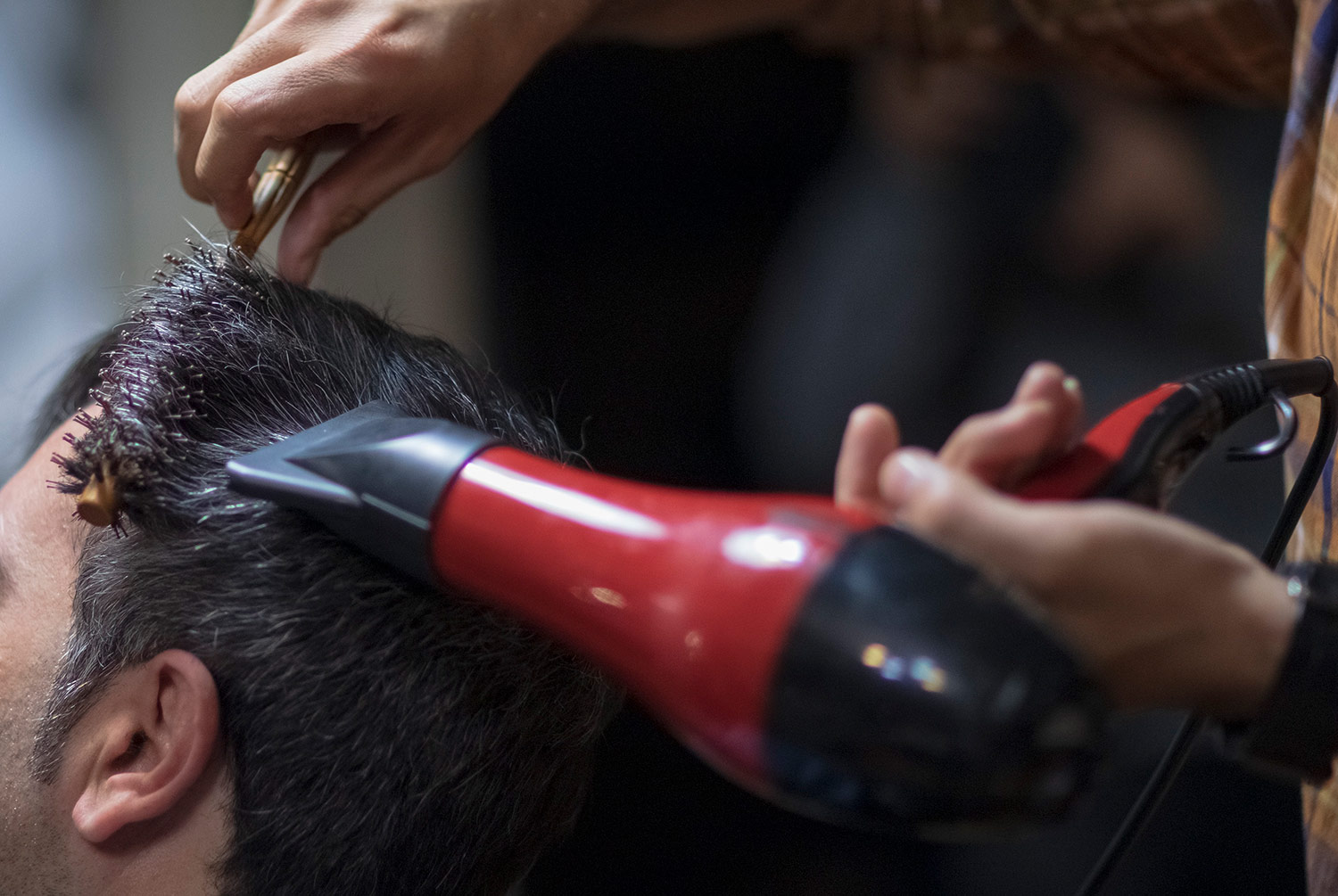
As a contrast, heat/based styling generates temporary changes to the hair’s hydrogen bonds. Many guys with thicker and heavier hair rely on thermal tools like blow dryers, curling irons, and hair straighteners to achieve various desired styles.
Even though these methods provide instant results without chemical exposure, repeated application of high heat will gradually compromise the integrity of the hair, leading to increased damage over time.
Health Risks Associated With Chemical Hair Treatments
A large proportion of chemical hair products are known to contain troubling ingredients with potential health consequences.
Formaldehyde, sodium hydroxide, and glutaraldehyde regularly appear as common elements in straightening treatments and relaxers (there is an array of well-documented effects ranging from mild irritation to more serious health concerns).
In some cases, there can be immediate reactions such as scalp irritation, burning eyes and allergic responses. There are also several potential long-term risks. For example, research has shown that regular usage of chemical straighteners can elevate rates of certain cancers (particularly uterine cancer). In fact, some demographic groups have even shown a heightened vulnerability.
These specific chemicals have also been linked to a variety of respiratory problems, endocrine disruption and other complications which can negatively affect reproductive health.
Key Takeaway: Consistently using chemical hair treatments that contain formaldehyde (and similar other compounds) may substantially increase health risks, especially with prolonged and frequent exposure.
Environmental Impact Of Hair Styling Products And Tools
One issue largely underestimated with hair styling practices is the overall environmental footprint (which goes far beyond personal health concerns).
Chemicals, including cyclic volatile methyl siloxanes (cVMS) and phthalates found in various styling products, can have a massive impact on aquatic life (once they reach the waterways after rinsing your hair), causing critical disruption to delicate ecosystems.
Furthermore, the indoor air quality can also suffer dramatically when aerosol styling products and heated tools are used regularly, as they release volatile organic compounds (VOCs) and particulate matter. These damaging emissions are also known to contribute to indoor air pollution, which can then aggravate respiratory conditions for everyone in the household.
Safer Hair Styling: Practical Tips And Alternatives
It is important to note that even when adopting a safer styling approach, it doesn’t necessarily demand that you abandon your signature look.
For example, consider these practical strategies –
- Select products that provide clear, transparent ingredient lists, while avoiding those containing formaldehyde-releasing compounds.
- If you are using heated hair tools, choose lower temperature settings and try to source heat-protective products.
- Maintain the practice of applying styling products or operating your heated tools in an area with good ventilation.
- Always embrace your natural texture whenever possible, which in turn reduces your overall reliance on intensive styling equipment.
- Focus on supporting brands that are committed to safer formulations and environmental responsibility.
Making Informed Choices For Healthier Hair And Environment
To progress towards safer hair styling, it is essential to have awareness and an understanding of both the immediate effects and long-term consequences of your grooming practices. This end goal will ensure that you make decisions that protect your health, but also the environment and all without sacrificing self-expression.
Begin this journey by researching ingredients thoroughly and moderating the use of chemical treatments and heat styling devices, which will create a balanced and thoughtful approach to your hair care routine.
Thanks for reading my latest grooming-based article on my lifestyle blog. Please share your thoughts in the comments section below and check back for regular updates.
