

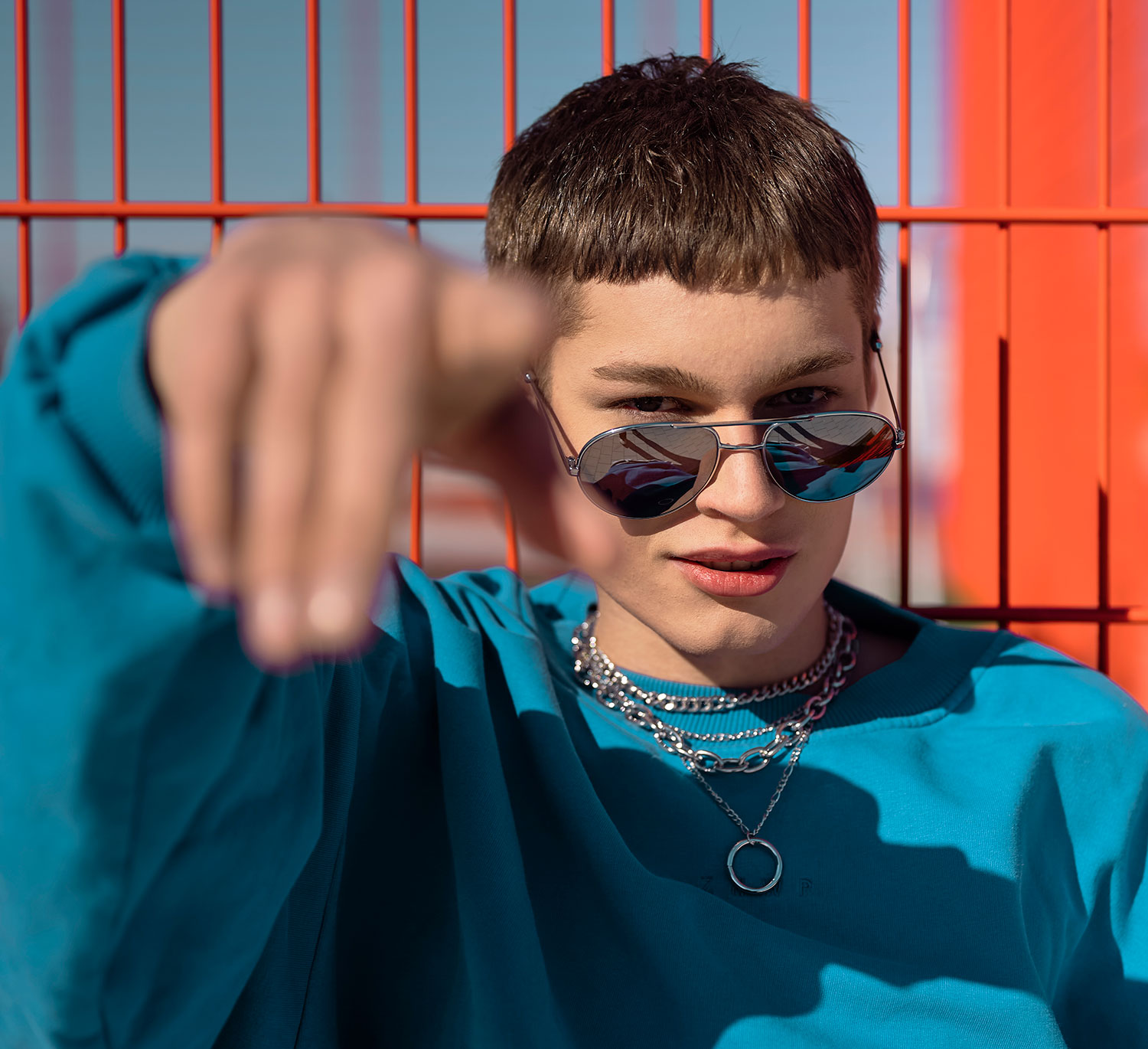
The Art Of Styling Y2K Clothes Without Overdoing It
The Y2K fashion trend is finally back in rotation, but wearing clothes from that era requires a steady hand. The late 90s and early 2000s were bold, experimental, and often unapologetically excessive. In my latest article, I will explore how modern men can incorporate this unique style into their wardrobes. Click to find out more.
Looking back on this period (Y2K fashion is considered the years of 1997-2004, although this is subjective), you will understand that not everything deserves a comeback, and not every silhouette translates well beyond its original context. There were a large number of iconic looks from that period – loud logos and branding, low-fitting denim and sportswear, which blended into everyday fashion without much hesitation. Recreating that energy today isn’t about copying the past – it’s about extracting what components are still relevant.
The current challenge is separating what defined that time period from what belongs there (and needs to stay as a memory). For anyone revisiting that early 2000s aesthetic, finding a place to explore Y2K clothes can help you clarify what elements are still relevant today.
Start With One Strong Reference
One effective way to approach Y2K clothing is to build an entire outfit around a defining piece. For example, a low-rise pair of bootcut jeans, a fitted zip hoodie, a cropped bomber jacket, or even a vintage-inspired graphic print T-Shirt. Choose one anchor, and then everything else will circle it to create an eye-catching retro ensemble.
During this time, outfits typically stacked sections together (sometimes aggressively) – bold logos, oversized layers, heavy accessories. In today’s world, there has been a transition towards subtlety in fashion choices. Throw on a single early-2000s silhouette piece and pair it with clean, contemporary staples that feel intentional rather than nostalgic.
For instance, if the jeans are relaxed, ensure the top is fitted and sharp. If the outerwear is large and oversized, keep the trousers slim and tailored – remember that one iconic reference is strong, but three (or more) leans towards something overly costume.
Control The Proportions
Y2K styling can either work or fall apart due to the proportions. Relaxed or low-rise denim can transform the body’s visual balance, elongating the torso and shifting attention downwards. However, when paired with equally oversized layers, the result can appear sloppy rather than deliberate.
The smarter move is making good use of contrast. A slightly cropped jacket can tighten a looser lower half, or a structured coat can ground relaxed-fitting trousers. Furthermore, a fitted knit sitting beneath a loose hoodie can add definition without fighting against the silhouette.
Late 90s/early 2000s proportions were often on the extreme end of the scale! Today, opt for a reference with a softer appearance. You do not need to pull on a pair of exaggerated flares or ultra-low cuts (even men’s denim brands stocked these styles – Diesel was one of the big hitters here!) to evoke the era. Instead, very slight adjustments in rise, length, and the fit are more than enough. Modern tailoring and minimalist footwear can help stabilise the overall ensemble.
Let Texture Do The Work
Y2K styling wasn’t only about the cuts – it was about unique surfaces. Washed denim, velour tracksuits, glossy puffer jackets, contrast stitching, and athletic fabrics all played a significant role.
If you are considering revisiting Y2K clothing options, focus on different textures, which can signal the reference more subtly than logos ever could. A vintage-style nylon jacket, distressed jeans, or even a structured track top will introduce an early-2000s vibe without overwhelming the outfit.
It is key to avoid overloading loud branding and shiny details, and instead focus on material contrast. For instance, matte sitting next to gloss, soft fleece under technical outerwear and clean cotton fabrics paired with slightly distressed denim pieces. Texture can add an invaluable dimension to the overall look without pushing it into something that reads as a parody.
Keep The Palette Tight
One effective way to prevent overdoing Y2K styling is to simplify the colour story. Those late-90s years were not afraid of contrast – bright accents, bold graphics, layered tones. Today, it is crucial to keep those references grounded in a tighter palette, which, in turn, keeps the outfit controlled.
Neutral tones always work well – black, charcoal, washed indigo or even beige or muted olive. Even if you introduce a brighter element (such as a vintage jersey), the surrounding pieces should effectively stabilise it. Incorporating a limited colour range allows the silhouette to stand out.
Avoid Full Commitment
Despite the attraction to dive right in! A full head-to-toe throwback is rarely the answer. Wearing chunky sneakers, relaxed denim, and a logo-heavy hoodie with an abundance of visible accessories all at once can quickly feel forced. Instead, introduce just one or two early-2000s cues and let the rest of the outfit remain contemporary.
Layering can be particularly beneficial in this area – a vintage zip hoodie underneath a structured coat, a pair of jeans with a slight flare paired with minimal trainers, or a track jacket styled with tailored trousers.
The mix of past and present is what keeps everything looking super sharp.
Confidence Over Imitation
Remember, that it wasn’t just the clothing that made the late 90s and early 2000s, it was the attitude behind it. There was strong confidence in experimentation and a willingness to push proportions and embrace interesting new silhouettes (and this mindset remains important).
Styling Y2K clothing (without overdoing it) means understanding the era without being trapped by it. It’s about recognising what elementals still translate well today – relaxed denim, athletic layering, subtle outerwear throwbacks, and then refining them through modern cuts and lines. When achieved, the reference will feel intentional, controlled and most importantly, updated.
Y2K doesn’t need to be loud to work, its strongest interpretations are often the most restrained – a shift in proportion, a nod to texture, a silhouette that hints at the past without copying it verbatim. The true art ultimately lies in knowing when to stop when you are winning.
Are you a fan of Y2K style? If so, what are your favourite pieces from that era? Share your thoughts in the comments section below.
